When designing a headstone, families often focus on personalizing the memorial – choosing the perfect epitaph, selecting meaningful symbols, and ensuring the names and dates are just right. These personal touches are incredibly important. However, an equally crucial, though less personal, aspect of the process involves understanding and adhering to cemetery regulations. Navigating these rules can feel daunting, but they are in place to maintain the cemetery's aesthetic, ensure safety, and preserve the long-term integrity of the grounds.
Why Cemetery Regulations Matter
Cemeteries are unique spaces, balancing solace, remembrance, and the practicalities of land management. Regulations help achieve this balance by ensuring uniformity where needed, maintaining safe pathways, and protecting the longevity of each memorial. Ignoring these rules can lead to delays, additional costs, or even the rejection of a headstone design, causing unnecessary distress during an already difficult time.
It's important to remember that regulations can vary significantly from one cemetery to another, and even within different sections of the same cemetery. A monumental company you work with will often be well-versed in local regulations, but understanding the general categories of rules yourself can empower you throughout the design process.
Common Categories of Headstone Regulations
Size and Dimensions
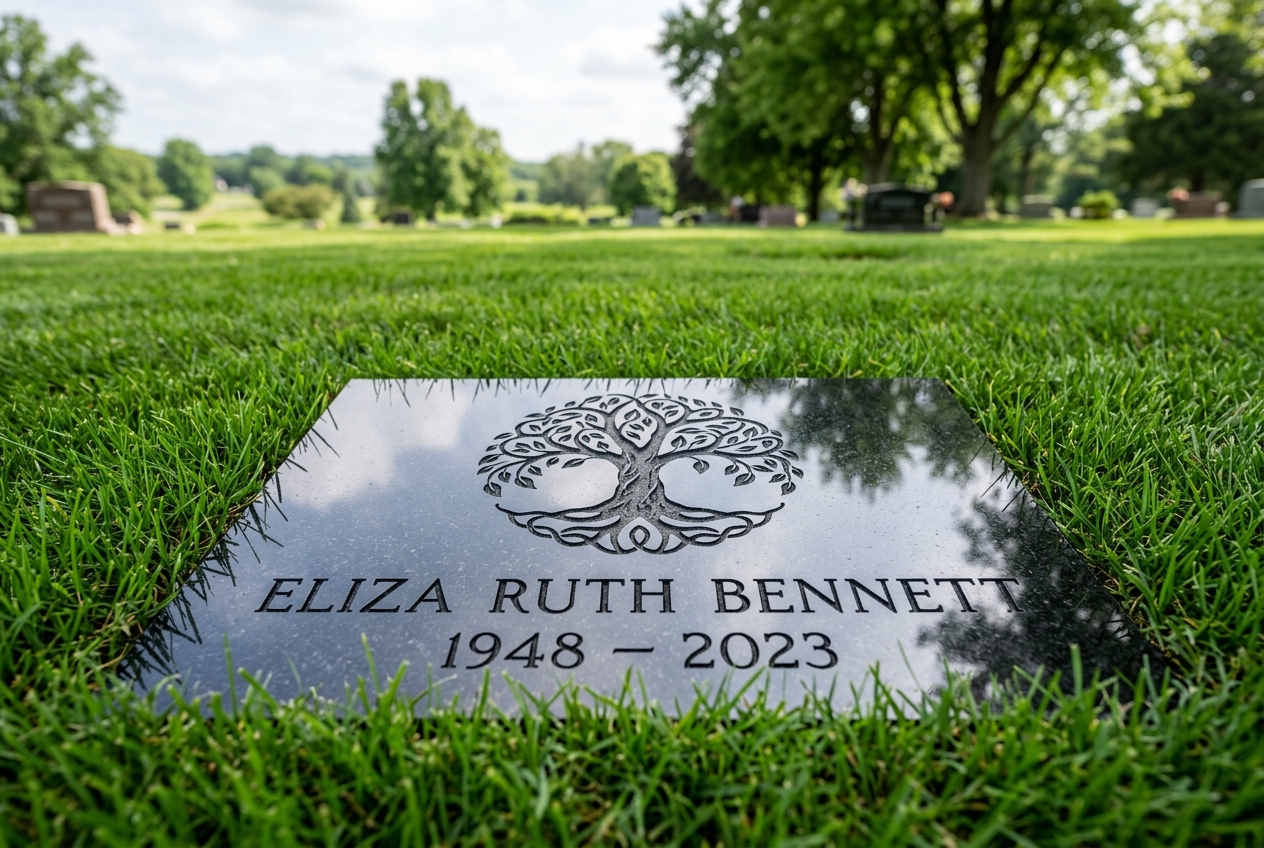
This is one of the most common and critical regulations. Cemeteries often specify maximum and sometimes minimum heights, widths, and depths for headstones. These dimensions can differ based on the type of plot (single, double, family estate) and the specific section of the cemetery (e.g., a section for flat markers only versus one for upright monuments). For example, a lawn-level marker might have strict dimensions, while an upright monument could have different height restrictions. Always clarify these measurements before finalizing your design.
Material Restrictions
While granite is widely accepted due to its durability, some cemeteries may have specific rules about the type or color of stone. Bronze is also a common material, especially for flat markers. Less common materials like marble, while beautiful, might be restricted due to concerns about weathering or maintenance. Similarly, certain vibrant or unusual stone colors might not be permitted to maintain a consistent appearance within the memorial park.
Type of Marker Permitted
Cemeteries often designate specific sections for different types of memorials. You might find sections exclusively for flat lawn markers, others for upright monuments, and some that allow bevel or slant markers. Memorial benches or kerb sets might be permitted only in larger family plots or specific areas. Clarifying the permissible type of marker for your specific plot is essential before you begin designing. Headstone Designer offers tools for creating designs for uprights, flat markers, pet stones, and memorial benches, covering a wide range of common types.
Foundation and Installation Requirements
The stability and safety of a headstone depend heavily on its foundation. Cemeteries often have precise requirements for the size, depth, and material of the foundation. Furthermore, some cemeteries insist that only their approved staff or specific monument companies are allowed to install headstones. This ensures consistency, proper drainage, and adherence to safety standards. Always confirm who is authorized to perform the installation and what the foundation specifications are.
Embellishments and Inscriptions
While personalization is encouraged, there can be regulations regarding what can be included on the headstone itself. This might cover:
- Vases: Some cemeteries only allow flush-mounted vases or specific materials.Photographs: Ceramic or etched photos might be permitted, but sometimes there are size or placement restrictions.Etchings and Engravings: While generally flexible, overly elaborate or non-standard imagery might require approval.Lettering: While our Headstone Designer tool allows you to see letter heights in inches, ensuring your chosen font and size are legible and appropriate for the space is always a good practice.Borders or Edging: Some cemeteries may have rules about decorative borders.
How Headstone Designer Helps Navigate Regulations
While Headstone Designer provides a flexible platform for creativity, it also supports you in designing within practical constraints. Our free online tool allows you to design various headstone types – from uprights and hearts to flat lawn markers, pet stones, and memorial benches. You can letter names, dates, and epitaphs, add symbols, and see letter heights in inches, giving you a clear visual of your intended memorial.
The most practical step for navigating regulations is direct communication. Before you finalize your design with Headstone Designer, always contact the specific cemetery where the memorial will be placed. Request a copy of their current rules and regulations. This proactive step can save considerable time and heartache.
Once you’ve https://taylored-lawns-tree-service.image-perth.org/why-a-proof-sheet-is-crucial-before-stone-cutting-begins created your design using Headstone Designer, you can send the finished layout to your chosen monument company as a detailed proof sheet. This proof sheet serves as a clear blueprint for the monument company, who can then verify it against the cemetery's specific rules. They are the experts in fabrication and local installation requirements and can advise on any necessary adjustments.
Crucially, nothing is cut or engraved until your family signs off on the final proof. This vital step ensures that you are completely satisfied with the design and that all cemetery regulations have been thoroughly reviewed and met before any physical work begins. Our team at Headstone Designer believes in empowering families with clear design tools and a respectful process.
The Importance of Communication
The best way to ensure your chosen memorial design complies with all regulations is through open and clear communication. Speak directly with the cemetery staff about their specific requirements for your plot. Then, share this information with your monument company. They will be able to translate the regulations into practical design considerations and guide you through the process, ensuring your vision can be realized within the cemetery's guidelines.
Designing a headstone is a deeply personal act of remembrance. By understanding and respecting cemetery regulations, you ensure that your loved one's memorial stands as a lasting tribute, seamlessly integrated into its final resting place. Take your time, ask questions, and utilize tools like Headstone Designer to bring your respectful vision to life.