When choosing a headstone, families are not just selecting a design; they are creating a lasting tribute. The material chosen for a memorial plays a pivotal role in its longevity, how it withstands the elements, and how its appearance will evolve over time. Understanding the durability and characteristics of different headstone materials is essential for making an informed decision that honors a loved one's memory for generations.
Granite: The Standard for Endurance
Granite stands as the most popular and recommended material for modern headstones, and for good reason. An igneous rock formed from magma, granite is incredibly dense and hard, making it exceptionally durable.
Unmatched Durability
Granite's tight grain structure and low porosity make it highly resistant to weathering, scratching, and fading. It can withstand harsh climates, including extreme temperatures, heavy rainfall, and even acid rain, far better than softer stones. This inherent strength means granite headstones maintain their intricate carvings, polished surfaces, and legible inscriptions for centuries, often appearing much the same as when they were first installed.
Available in a vast array of colors, from classic grays and blacks to vibrant reds and blues, granite offers both aesthetic versatility and unparalleled resilience, requiring very little maintenance beyond occasional cleaning.
Bronze: A Timeless Patina
Bronze is another highly durable material, frequently used for flat lawn markers, plaques, and decorative elements on granite memorials. This alloy, primarily composed of copper and tin, is renowned for its strength and resistance to corrosion.
Resilience and Character
Bronze does not rust in the traditional sense. Instead, when exposed to the elements, it develops a distinctive green or brownish-green patina over time. This patina is not a sign of decay but rather a protective layer that actually shields the metal underneath from further corrosion, ensuring the memorial's longevity. While the surface appearance changes, the integrity of the material and the clarity of inscriptions remain intact for many, many decades.
Bronze memorials offer a classic, dignified look, and while they may require periodic cleaning to maintain a bright finish, many families appreciate the natural, aged character the patina provides.
Marble: Classic Beauty, Delicate Nature
Marble, a metamorphic rock derived from limestone, has been used for memorials for millennia, admired for its luminous beauty and elegant appearance. Its classic white or variegated patterns evoke a sense of timeless grace.
Understanding its Vulnerabilities
Despite its historical prominence, marble is significantly softer and more porous than granite. This makes it more susceptible to environmental factors. Acid rain, which is prevalent in many regions, can gradually erode and etch marble surfaces, causing inscriptions to become less legible over time. It is also more prone to staining from moss, lichen, and environmental pollutants.
While a marble headstone can last for centuries, its pristine appearance and the crispness of its details will degrade more noticeably over time compared to granite. Preserving its original look often requires more frequent and specialized cleaning and maintenance.
Other Materials: Brief Mentions
While less common for primary, long-term headstones today, other materials like limestone and sandstone have been used historically. Similar to marble, these sedimentary rocks are generally softer and more porous, making them vulnerable to weathering, erosion, and biological growth over time. Concrete is sometimes used for bases or simpler markers but lacks the aesthetic appeal and fine detail capabilities of natural stone or bronze for primary memorials. Wood, while beautiful and personal, is highly perishable and generally not suitable for permanent outdoor memorials unless treated and maintained with extraordinary care.
Factors Influencing a Memorial's Lifespan
Beyond the inherent properties of the material itself, several external factors can influence the longevity and appearance of a headstone:
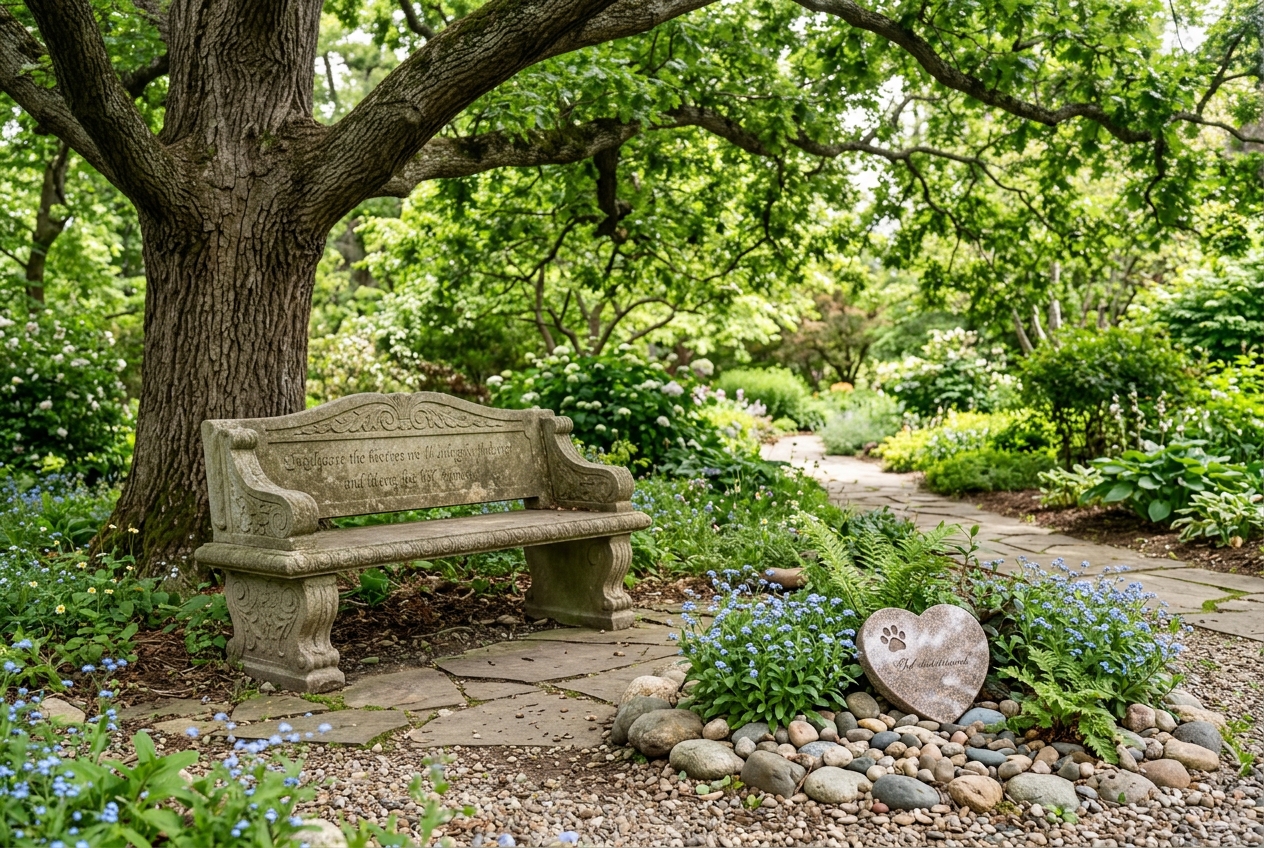
- Climate: Areas with high rainfall, extreme temperature fluctuations, or significant industrial pollution (leading to acid rain) will put more stress on a memorial. Environmental Exposure: A headstone situated under trees may be more prone to moss, lichen, and staining from falling debris, while one in direct sunlight might experience faster fading of certain materials. Quality of Craftsmanship: Proper cutting, polishing, and installation techniques are crucial for ensuring the memorial's stability and resistance to damage over time.
Making an Informed Decision for Your Lasting Tribute
Choosing a headstone material is a deeply personal decision, balancing aesthetic preferences, desired longevity, and budget. While marble offers a classic beauty, granite https://www.tumblr.com/sereneorbinferno/830959290631307264/designing-a-memorial-for-a-child-sensitive provides unmatched durability and resistance to the elements, making it the most practical choice for a lasting memorial.
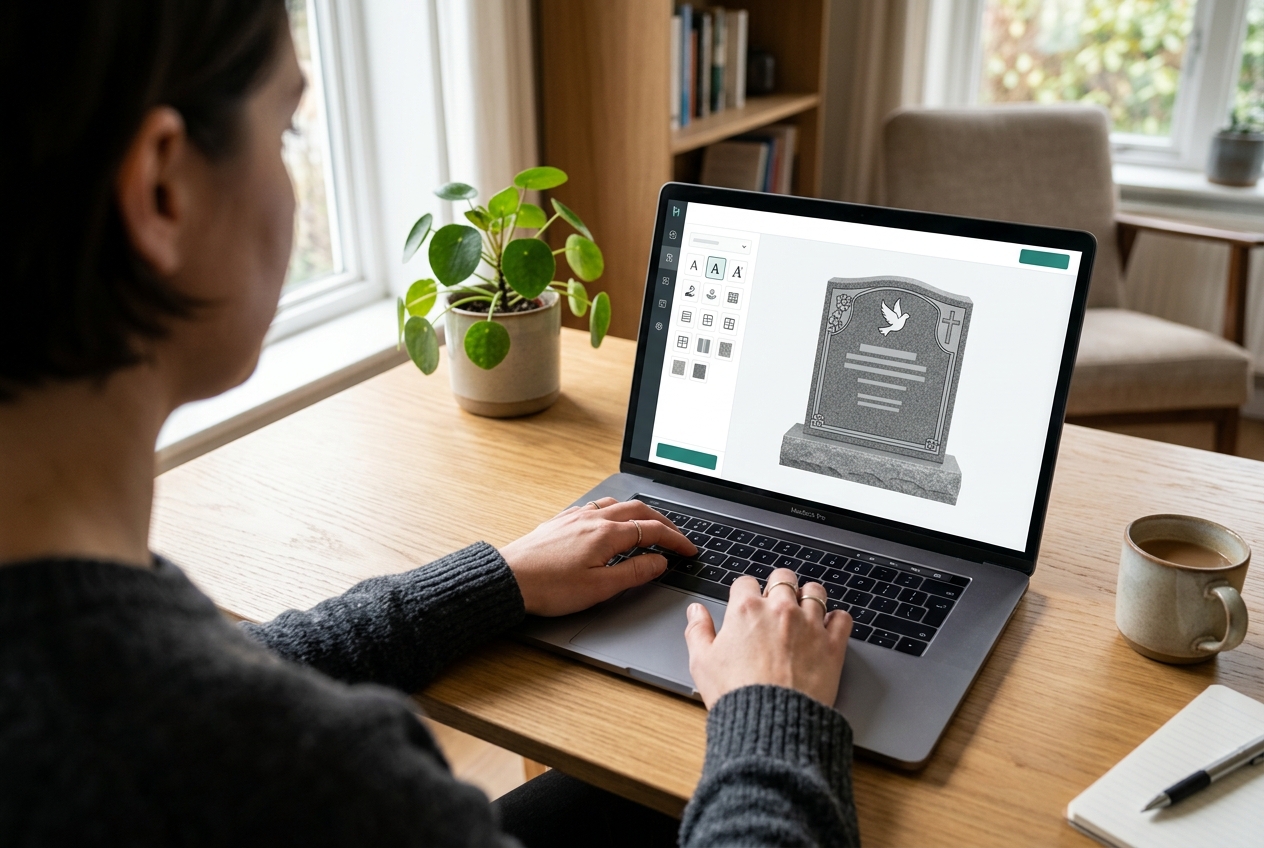
Tools like Headstone Designer are invaluable for families, allowing them to visualize their chosen inscription, symbols, and layout with precise letter heights, ready to be translated onto the material of their choice. Our team at Headstone Designer understands the significance of this choice. While we focus on empowering you to create the perfect design, ensuring names, dates, and epitaphs are perfectly rendered, we encourage families to discuss material options thoroughly with their chosen monument company to select the best fit for their needs and local climate.
Ultimately, the goal is to create a memorial that beautifully honors a life lived and stands as a testament for generations to come. By understanding the properties of different headstone materials, you can make a choice that truly reflects the enduring legacy you wish to create.